


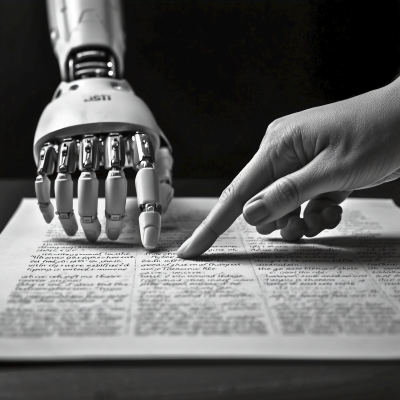
AI-generated voice tools are becoming a standard part of content production. They’re fast and accessible. But there’s a question worth asking before you hand your script over to an algorithm: can a tool that has never understood a word it’s read actually communicate what that script means?
There’s a difference between delivering words and delivering intention. A voice can pronounce every line perfectly and still leave an audience cold. Communication isn’t just about what is said. It’s about how it’s said, why it’s said, and the feeling it creates in the person listening. That’s where human interpretation comes in, and it’s something no AI voice tool has yet managed to replicate.
A script is more than a sequence of words to be read aloud. It has rhythm, emotion, and intent built into every line. The way a sentence is emphasised can completely change its meaning. A pause in the right place can create tension, warmth, or weight. The tone behind a phrase shapes whether an audience feels informed, moved, or reassured.
When a professional voice artist reads a script, they make countless small decisions about how to bring it to life. When an AI processes the same script, it produces audio. Both outputs might sound similar on the surface, but the experience they create for the listener can be very different. Delivery shapes interpretation, and interpretation shapes how an audience receives your message.
Emotional storytelling sits at the heart of the most effective brand content. Not because emotion is a technique, but because it’s how people connect. Audiences don’t just process information, they respond to it, and the voice delivering that information plays a huge role in shaping that response.
In brand films, it’s the warmth and sincerity in a voice that makes a story feel worth watching. In advertising, the right emotional tone can be the difference between a campaign that genuinely moves people and one that simply informs them. In customer stories, a voice that conveys care and understanding makes the experience feel real rather than manufactured. In explainer content, a delivery that feels human and present helps audiences trust what they’re hearing and remember it long after they’ve moved on.
Authenticity is what creates memorability. And authenticity in audio comes from a voice that actually understands the material, responds to its meaning, and brings something genuine to the performance. Listeners pick up on those emotional cues instinctively, often before they’ve consciously processed the words themselves.
A professional voice artist is more than someone who reads scripts well. They’re an active creative partner who brings interpretation, instinct, and personality to every performance. They read a brief and understand the emotional journey the audience is meant to go on.
They adjust their pace when a moment calls for gravity, and lift their energy when the content needs to excite or inspire. They find the nuance in a line that makes it land the way it was intended. And they do all of this while staying true to a brand’s tone and personality.
That’s a very different thing to processing text. A professional voice artist is a strategic investment in how your content communicates, not just how it sounds. The difference shows up in the response your audience has, and in how your brand is remembered.
Voice influences trust. A delivery that feels genuine, considered, and aligned with your brand builds confidence in the listener. A delivery that feels flat, generic, or disconnected, even subtly, can undermine the very message it’s carrying.
Strong brand communication depends on more than technically correct audio. It depends on content that feels intentional. When a voice truly understands what it’s saying, that comes through, and it strengthens every element of the brand experience around it. The risk of prioritising efficiency over meaning is content that ticks every production box but fails to create the response you were hoping for. In brand communication, how something makes people feel is rarely a secondary consideration.
AI can deliver your words accurately and efficiently. What it can’t do is mean them. Emotional storytelling, genuine performance, and authentic brand communication all depend on voices that understand what they’re saying and bring real intention to how they say it.
If you’d like to work with a professional voice artist who can bring your script to life in the way it deserves, take a look at the talent at deVine Voices. We’d love to help you find the perfect fit.