


Synthetic voices are everywhere. From brand videos and social media ads, to customer service calls and onboarding content, AI-generated audio has become part of the everyday content landscape. The tools are accessible, the turnaround is fast, and the results are improving all the time.
For many brands, the efficiency is genuinely appealing. But there's a consequence to everyone reaching for the same solution: everything starts to sound the same. In a world where synthetic audio is becoming the default, authenticity isn't losing value. It's gaining it. And for brands that want to stand out, the human voice is one of the most powerful ways to do it.
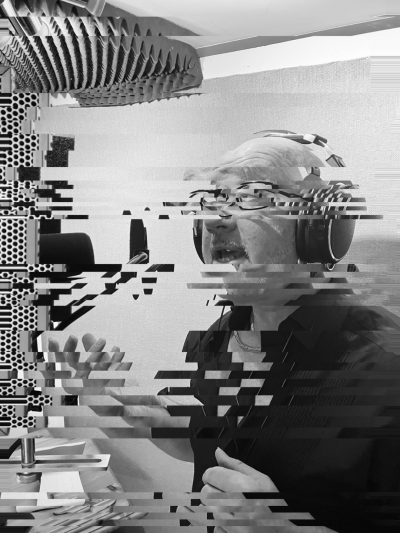
Featured voice artist in picture: Jim C, represented by deVine Voices
When a tool becomes widely accessible, it levels the playing field. That's useful in some respects, but it creates a challenge for brands that rely on their voice to communicate personality and build connection.
AI audio tools are no different. The more brands using the same technology to produce the same kinds of content, the harder it becomes to sound distinctive. Audiences may not always be able to pinpoint what makes one piece of content feel more engaging than another, but they notice when something feels generic. When everything sounds the same, standing out becomes harder. Brands that invest in a distinctive voice are finding that it's one of the most effective ways to cut through the AI-generated content.
Authenticity in brand voice isn't about being informal or unpolished. It's about feeling intentional, consistent, and genuinely human.
An authentic brand voice has personality. It reflects who a brand actually is, not just what it wants to say. It shows up consistently across channels and formats, so that audiences begin to recognise it and associate it with a particular feeling. And it's delivered in a way that feels considered rather than generated.
Human voices carry qualities that contribute directly to that sense of authenticity. Natural variation in pace and emphasis. Warmth that comes through in particular phrases. A subtle shift in tone that signals empathy, excitement, or care. These are the things that make audio feel alive, and they're also what make it feel trustworthy.
Audiences respond to authenticity. The small, natural qualities in a real performance that no algorithm can fully replicate, are exactly what makes it feel genuine. The tiny details that distinguish a real performance from a generated one are the same elements that create connection. An authentic brand voice, delivered by a real person, communicates something that no AI tool currently can: that there's a human behind the message who actually means it.
Trust doesn't happen instantly, but voice plays a significant role in building it. When something sounds genuine, audiences are more likely to pay attention, engage, and believe what they're hearing.
In advertising, a voice that feels real and warm is more likely to create the kind of emotional response that drives action. In brand videos, sincerity in delivery builds credibility and makes the message stick. In customer communications, a voice that sounds considered rather than automated signals that the brand takes its audience seriously. In service and onboarding content, getting that tone right shapes the very first impression a new customer or employee has of a brand.
Across all of these scenarios, brand trust grows when the voice behind the content feels real. Without it, trust becomes nearly impossible to build, slowly eroding over time without the customer even noticing.
There's a meaningful difference between audio that sounds acceptable and audio that sounds intentional. Professional voiceover sits firmly in the second category.
A skilled voice artist brings consistency, craft, and a genuine understanding of how to communicate a brand's personality. They don't just read a script, they shape it into something that represents the brand well. That level of quality sends a signal to audiences: this brand cares about how it communicates. And in a content landscape where cutting corners is easy, that care becomes noticeable.
When brands treat professional voiceover as an essential part of their storytelling, rather than a budget line item, audiences notice and remember.
Synthetic voices will continue to become more common, and more convincing. But the brands that will stand out aren't the ones that move fastest, they're the ones that sound most like themselves. Authenticity, real human delivery, and the trust that comes with it, will only become stronger differentiators as AI audio becomes the norm.
If you'd like to explore professional human voiceover talent for your brand, take a look at deVine Voices. We'd love to help you find a voice that's genuinely yours.